




Send Message
Privacy statement: Your privacy is very important to Us. Our company promises not to disclose your personal information to any external company with out your explicit permission.
Select Language

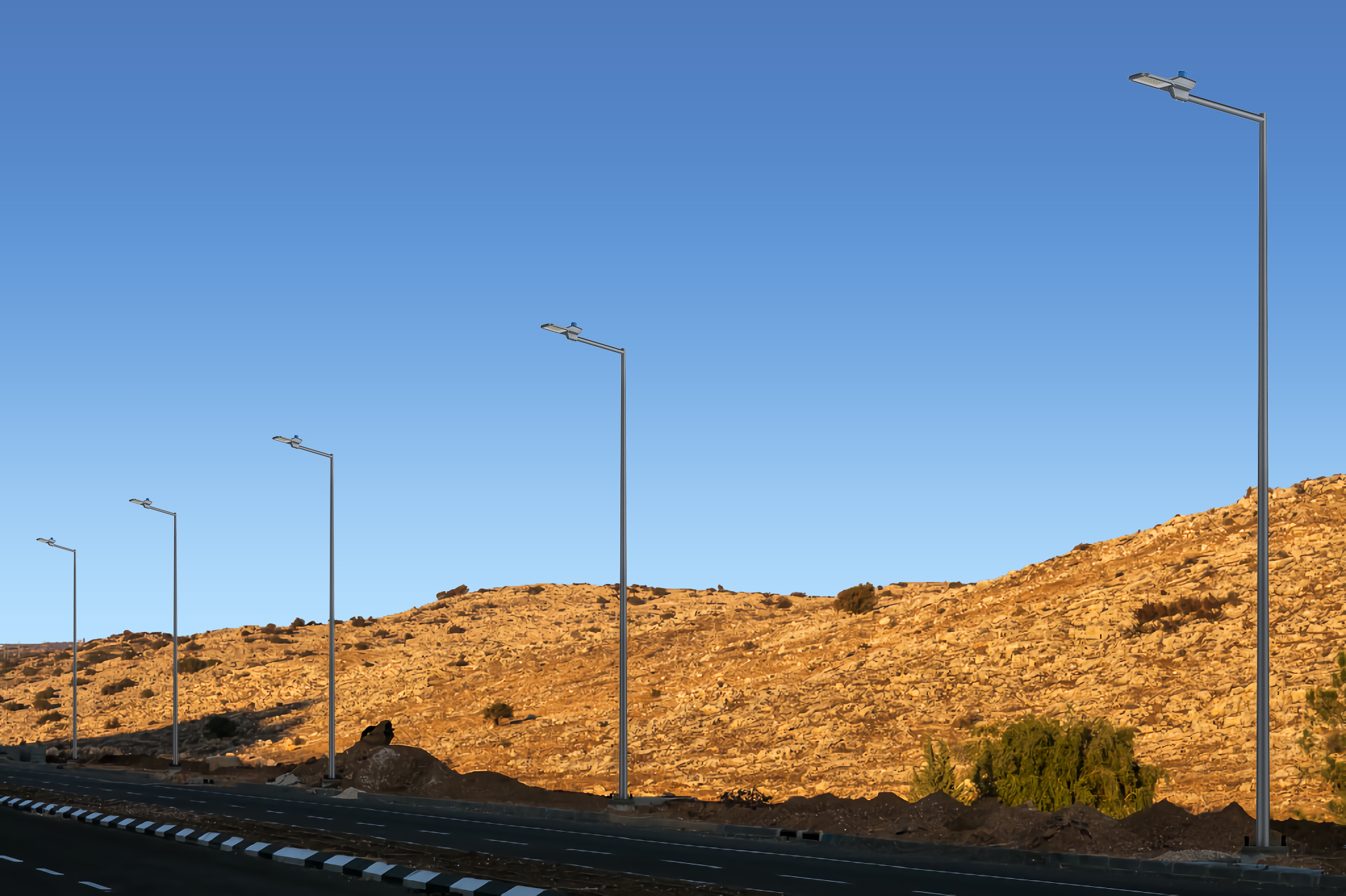
That calculus has changed with the introduction of direct drop‑in Led Street Light retrofit kits. These kits are engineered to bolt precisely into the same mounting sockets and wiring compartments as the old HPS cobra‑head or shoebox fixtures. A crew of two can replace a 250‑watt sodium lamp with a 100‑watt LED street light in under 20 minutes, using nothing more than a bucket truck and a screwdriver. No pole replacement, no new foundations, no underground cable work. The new fixture simply connects to the existing power supply, and the photocell or timer plugs into the same receptacle. One Ohio suburb retrofitted 1,200 fixtures over three weekends, spending just $680 per unit including labour, and slashed their annual street‑lighting energy bill from $210,000 to $63,000—a payback period of just 18 months.
The performance gap is equally dramatic. Modern Led Street Lights deliver 150 lumens per watt, compared to HPS's 60–80, meaning they produce more usable light with half the energy. The colour rendering index jumps from 22 to over 70, turning dull orange highways into crisp, white‑lit roads where drivers can actually distinguish road hazards. And with a rated lifespan of 100,000 hours, a single LED fixture outlasts five generations of sodium bulbs, slashing maintenance calls by 80 %.
The same retrofit logic extends to taller installations. For ports, stadiums, and freight yards, the High Mast Light upgrade follows an identical principle. A high‑mast HPS fixture, often 400 W or 1,000 W per head, can be replaced with a ring‑mounted LED array that uses the same hoist ring and lowering mechanism. Crews do not even need to climb the mast—they lower the entire ring, swap the heads, and hoist it back up. One Malaysian container terminal replaced 48 high‑mast heads with LED drop‑in units, cutting their nighttime energy draw from 48 kW to 18 kW while actually increasing the average lux on the container pads from 15 to 28.
Of course, not every pole is a candidate for direct replacement. Some older poles have corroded bases, incorrect mounting bolt patterns, or insufficient weight ratings for heavier LED drivers. That is where a Customized Pole Solution comes into play—but notably, it is the exception rather than the rule. For the minority of sites where direct fit is impossible, manufacturers offer adapter plates, extended brackets, or entirely new poles with pre‑wired LED heads, all engineered to match the existing foundation dimensions. These custom solutions add about 30 % to the project cost but still come in well below a full pole‑and‑trench replacement.
What makes the drop‑in kit truly revolutionary is its simplicity. City engineers no longer need to conduct structural surveys, redesign lighting layouts, or coordinate with utility companies for disconnections. As one public works director from a Florida county put it, “We ordered 500 kits, trained two crews in one morning, and had them all installed before the end of the month. Our residents noticed the brighter streets immediately, and our finance department noticed the lower bills at the next council meeting.” In an era of tight budgets and rising energy costs, the direct drop‑in LED street light kit is not just an upgrade—it is a lifeline.
Author:
Ms. Emma
Phone/WhatsApp:
Email to this supplier
Author:
Ms. Emma
Phone/WhatsApp:
About Us
Related Products List
Contact Us

Privacy statement: Your privacy is very important to Us. Our company promises not to disclose your personal information to any external company with out your explicit permission.
Fill in more information so that we can get in touch with you faster
Privacy statement: Your privacy is very important to Us. Our company promises not to disclose your personal information to any external company with out your explicit permission.